Signage guides and insights
What we have learned building custom signs for customers in more than 40 countries: how each construction works, what drives the price, how long production really takes, and which details decide whether a sign still looks right in year five.
Buyer's guides9 guides
-
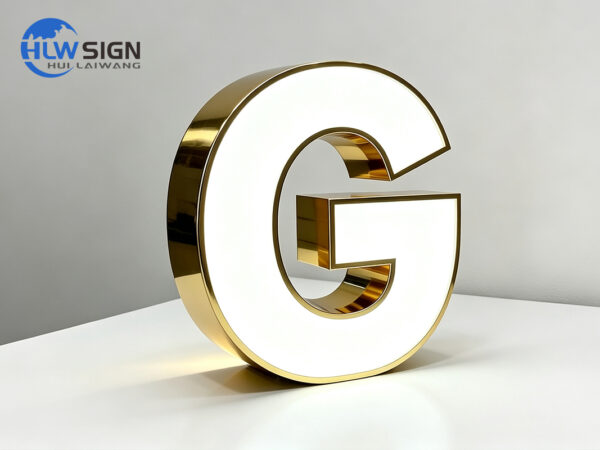
Custom Channel Letters: The Complete Buyer's Guide
Front-lit, backlit, front and back lit or RGB: how to choose the build that suits your façade, your viewing distance and your budget — and what the numbers actually mean.
Read the guide -
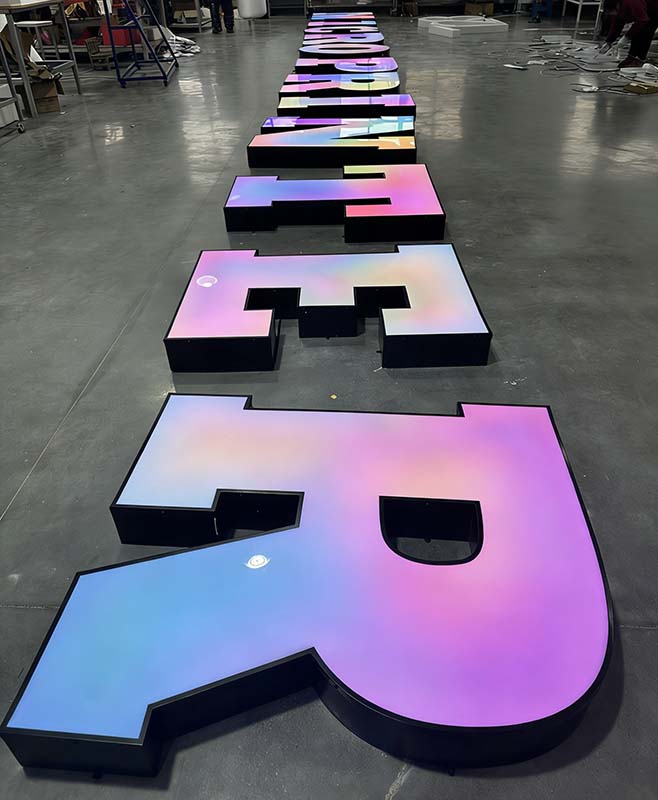
How Much Do Channel Letters Cost Per Letter? What Actually Drives the Price
Per-letter pricing is the most common way to shop for signage and the fastest way to compare two quotes that are not comparable at all. Here is what the price is actually made of.
Read the guide -
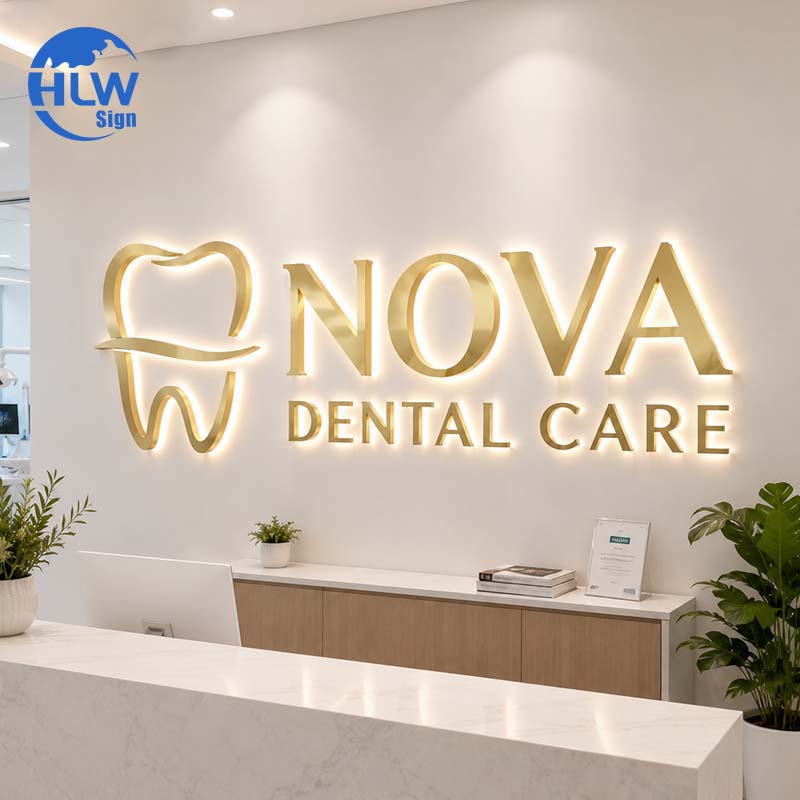
Backlit Sign Cost Per Square Foot: What Drives the Number
Square-foot pricing works for printed panels and falls apart for letters. Here is how a backlit sign is really costed, and the three numbers you should have before asking for a quote.
Read the guide -
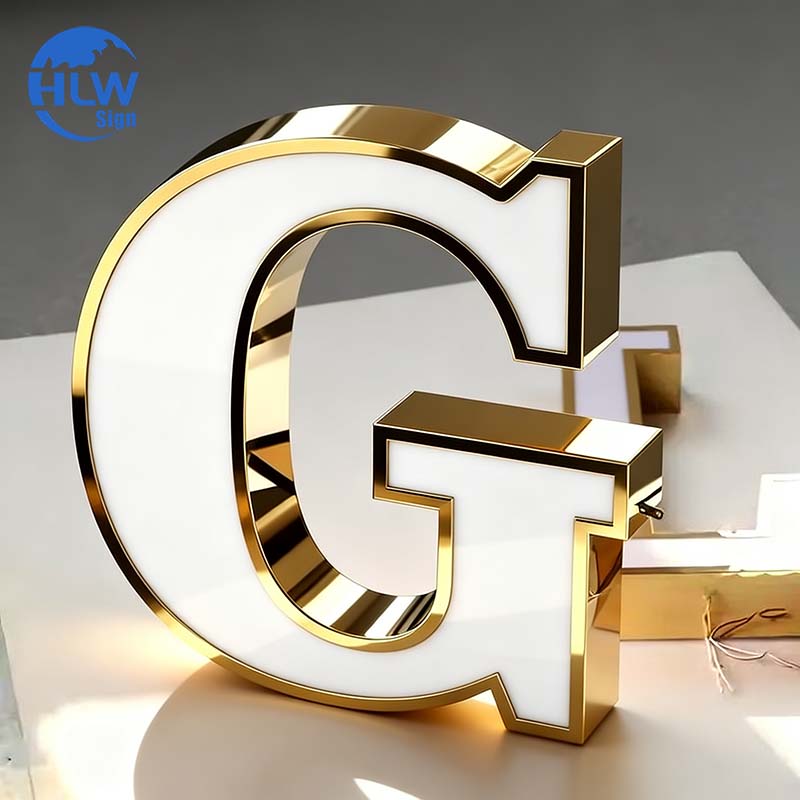
How Much Should You Budget for a Storefront Sign?
A storefront sign budget fails for one of two reasons: the fascia was measured after the design, or the extras were never counted. Here is how to plan the whole job.
Read the guide -
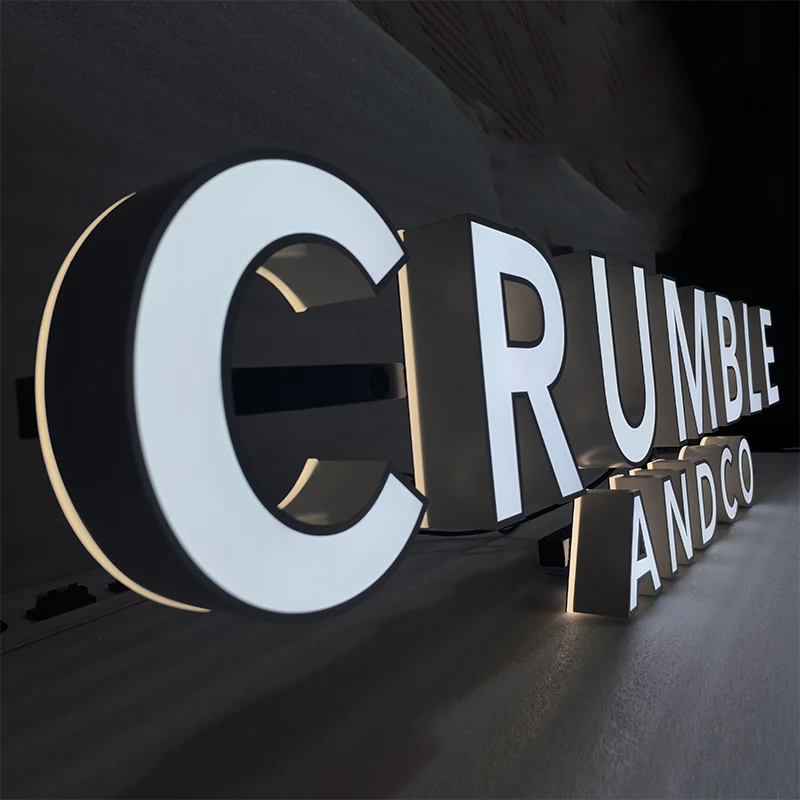
What Is the MOQ for Custom Channel Letters? (And What If You Only Need One)
Manufacturers often hide behind a high minimum order. We do not: MOQ is one piece, and a single shop sign runs on the same production line as a multi-site rollout.
Read the guide -
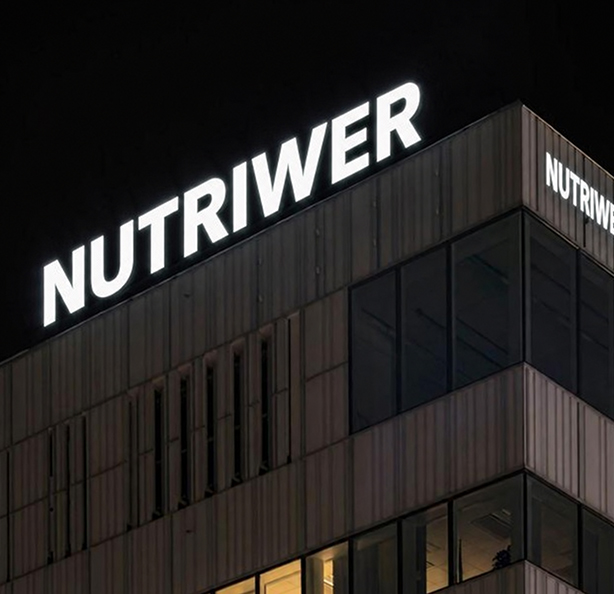
How to Order Custom LED Signs from a Factory: Cost, Lead Time and Weatherproofing
Buying signage direct from a factory saves money only if you ask the right questions first. Here is what actually drives the price, and how to brief a supplier properly.
Read the guide -
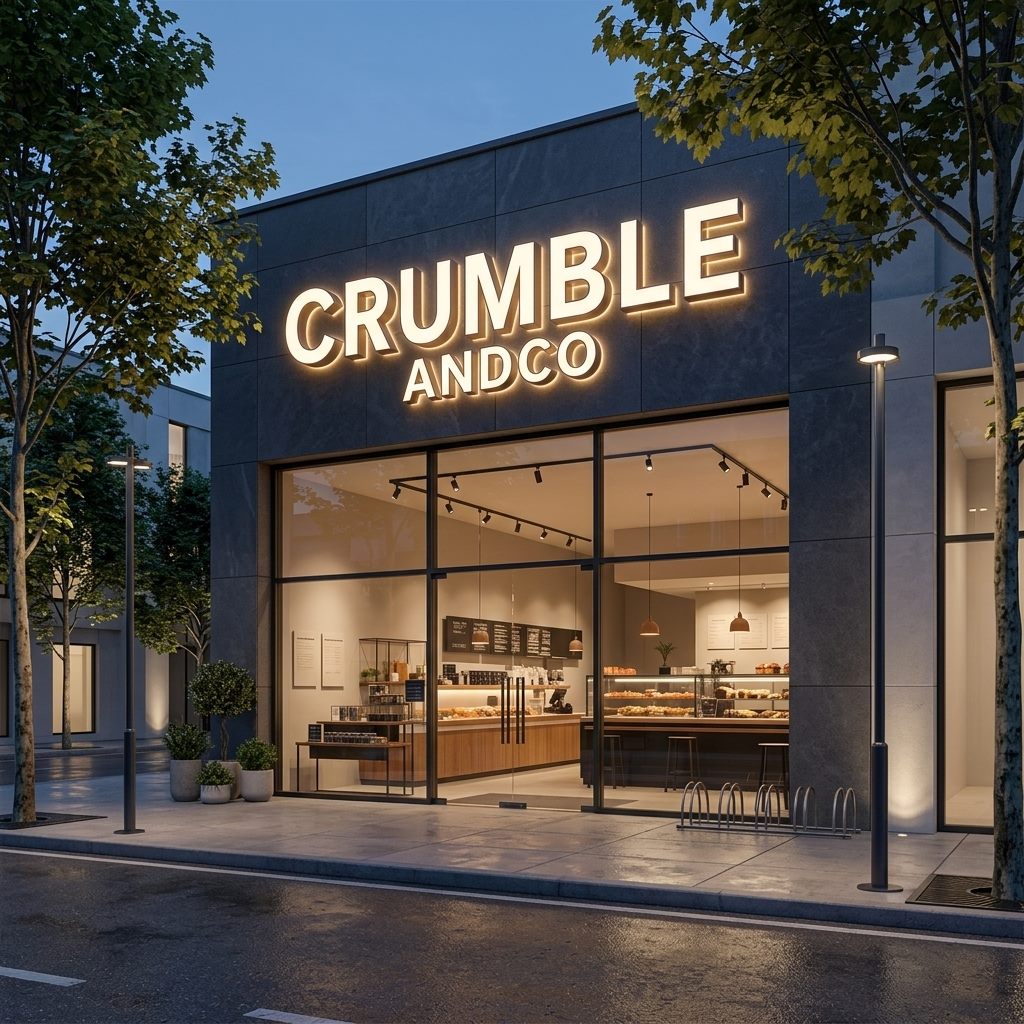
Light Box Signs and Light Box Displays: A Buyer's Guide
When the artwork will change, a light box beats letters every time. Here is how to specify a frame you will still be using in ten years.
Read the guide -
How to Measure Your Storefront and Choose a Letter Height
Ten minutes with a tape measure and three photos will get you an accurate quotation instead of a guess. Here is exactly what to measure and why it matters.
Read the guide -
Sign Permits, Landlord Approvals and Heritage Facades: What to Prepare
Permissions delay more signage projects than production does. This is what landlords and authorities actually ask for, and how to design around a restricted building.
Read the guide
Trade & sourcing2 guides
-
Buying Custom Channel Letters Wholesale: A Factory-Direct Guide for Distributors
If you resell signage, the factory relationship is your margin. Here is how bulk channel letter orders are specified, packed and scheduled — and what to put in the purchase order.
Read the guide -
How to Verify a Chinese Sign Factory Before You Send a Deposit
Most import problems start before the deposit, not after. These are the checks we would make ourselves — and the ones a genuine factory will never object to.
Read the guide
Design & materials8 guides
-
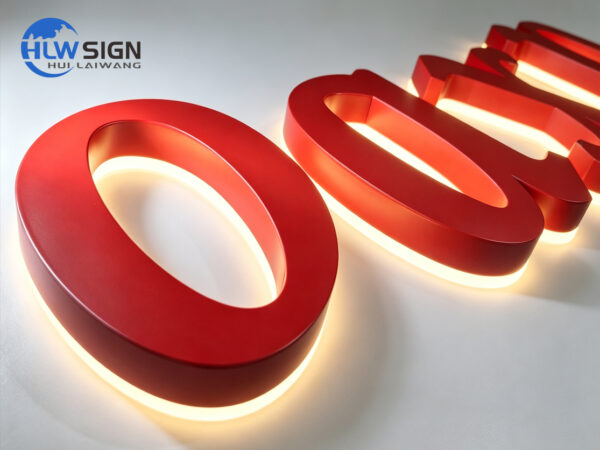
Backlit Signs and Halo Letters: Why They Look Expensive
Backlit letters light the wall rather than the face. Here is what makes the halo even, which materials hold up outdoors, and when front-lit is the smarter choice.
Read the guide -
Metal Letters and 3D Signs: Enamel, Stainless and Gold Finishes
Not every sign should light up. Metal letters and 3D logos are usually the better choice for interiors, heritage façades and any place where a glowing face would look cheap.
Read the guide -
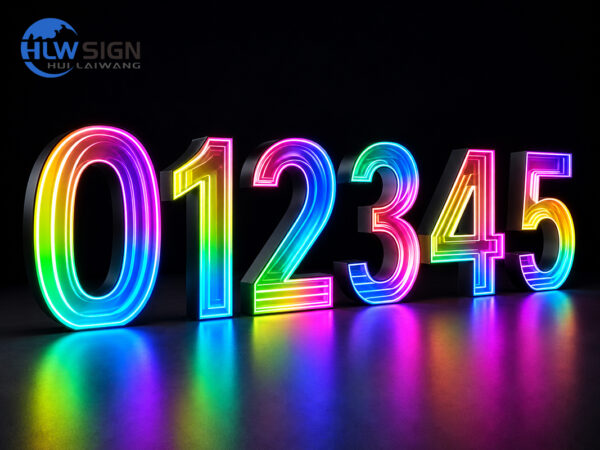
Infinity Mirror, Diamond and Starry-Sky LED Signs Explained
Four effect-driven sign constructions that make people stop and take a photo — how each one works, what it costs in maintenance, and where each belongs.
Read the guide -
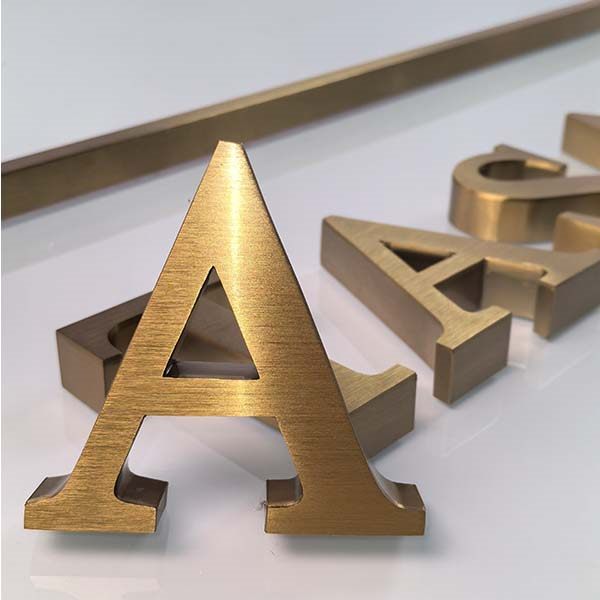
Vinyl Lettering vs Dimensional Letters: Which Should Be on Your Wall?
One is film applied to a surface, the other is an object standing off it. The difference shows in daylight, at night, in photographs — and in what the wall looks like in year three.
Read the guide -
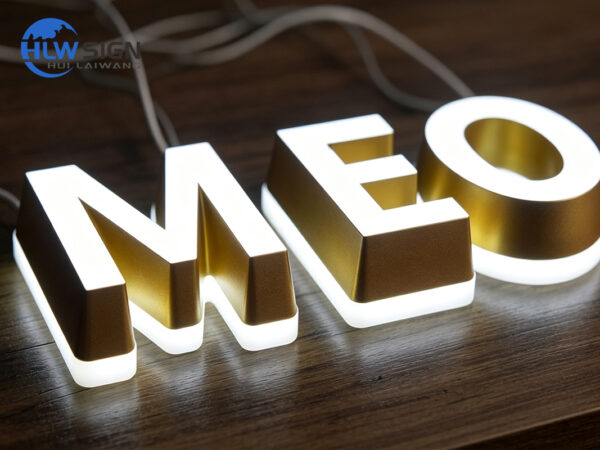
Acrylic Signs and LED Light Boxes: Clean Glow, Replaceable Graphics
Acrylic gives the cleanest, most even light in signage. Used as letters or as a light box, it solves two different problems — and choosing the wrong one is a common and expensive mistake.
Read the guide -

Reverse Channel Letters and Halo Lit Letters: The Complete Guide
Reverse channel letters are the quietest illuminated sign in the catalogue and the hardest to get right. This is the build, from the inside out.
Read the guide -
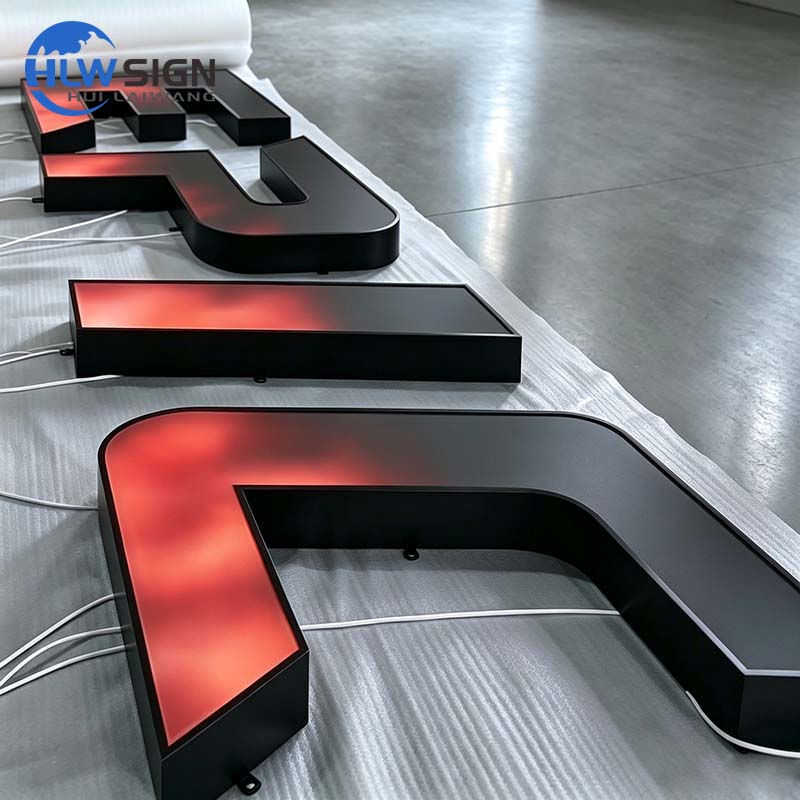
LED Colour Temperature for Signage: 3000K vs 4000K vs 6500K vs 10000K
One number decides whether your sign feels welcoming, clinical or theatrical. Here is what each colour temperature looks like, and where it belongs.
Read the guide -
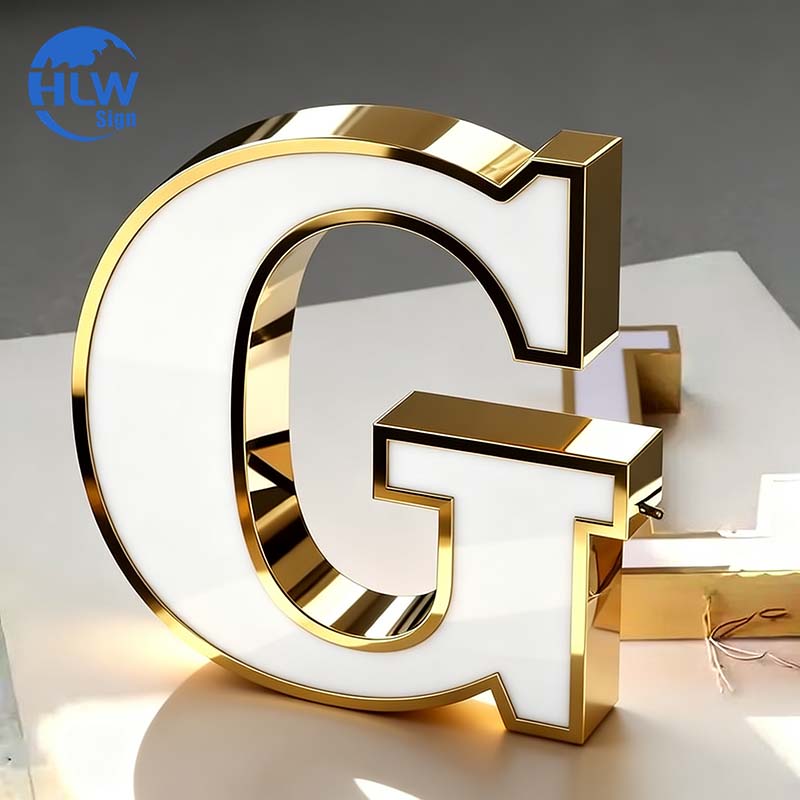
Signage Design: How to Design a Sign That Reads From the Street
Most sign designs fail for the same three reasons: too small, too low contrast, too fine. Here are the rules that keep a design legible after it is built.
Read the guide
Applications9 guides
-
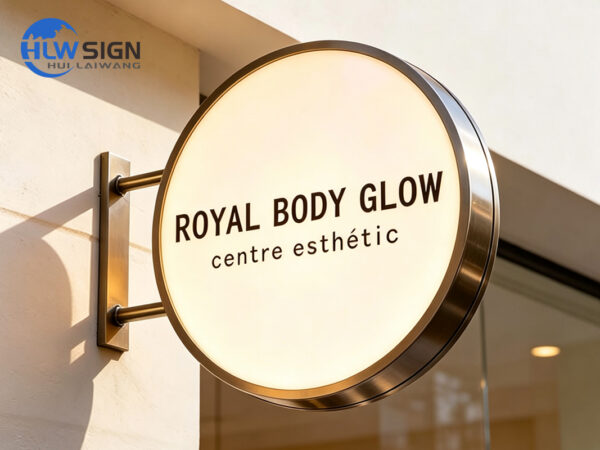
Storefront and Shop Sign Ideas That Bring Foot Traffic
A shop sign is a piece of retail equipment. These are the constructions that reliably turn passers-by into customers — and the ones that quietly waste money.
Read the guide -
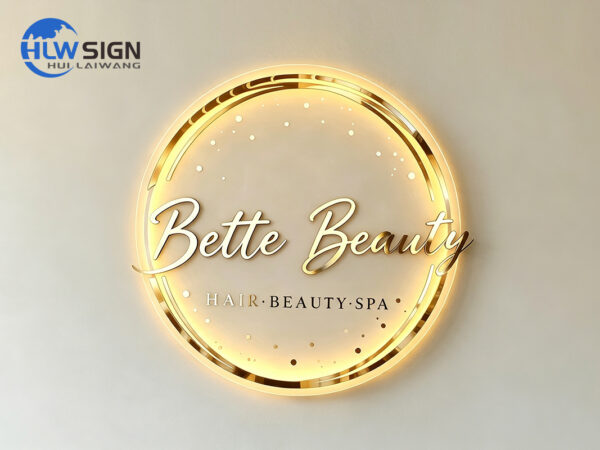
Custom Neon Signs for Salons, Spas, Bars and Event Spaces
Neon sets a tone no channel letter can. Here is how LED neon is built, where it works, and how to avoid the two mistakes that make neon signs look cheap.
Read the guide -
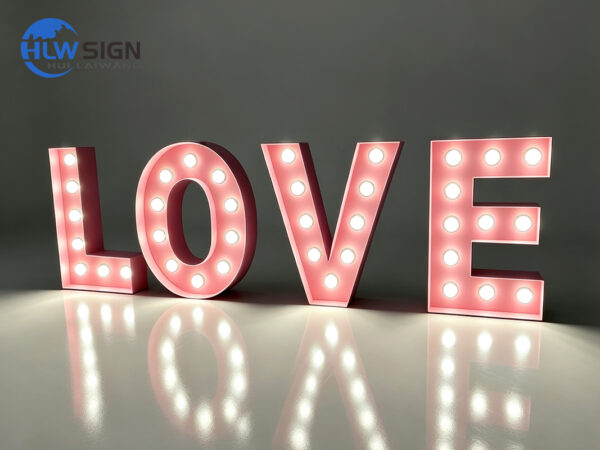
Marquee Letters and Giant Letters: Buying or Renting for Events
Giant light-up letters are the most photographed prop at any event. If you are buying a set — for your own venue or for a rental fleet — these are the specifications that matter.
Read the guide -
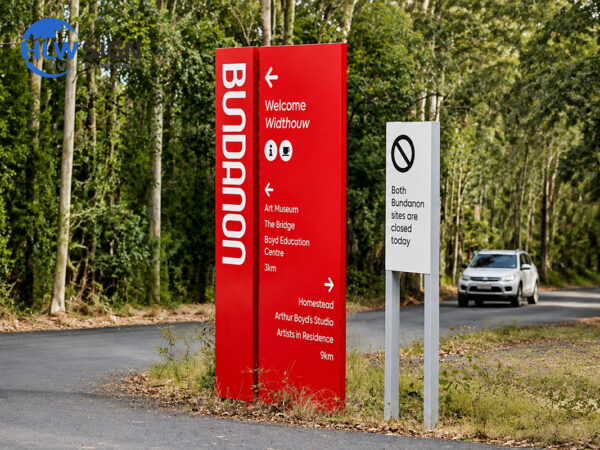
Pylon and Gas Station Signs: Specifying a Roadside Sign That Lasts
A pylon sign is a structure, not a graphic. This guide covers the engineering decisions behind roadside signage — and why the foundation drawing matters as much as the artwork.
Read the guide -
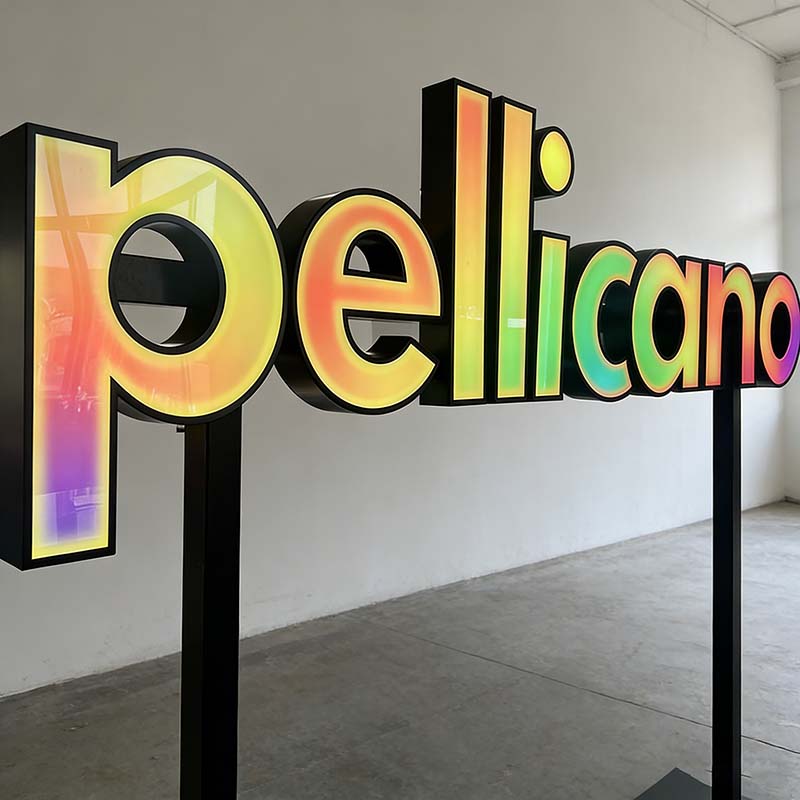
Monument Signs: Specifying Freestanding Signage That Lasts
A monument sign carries the brand at ground level, where pedestrians and drivers actually look. Here is how the structure, the panel and the lettering are specified.
Read the guide -
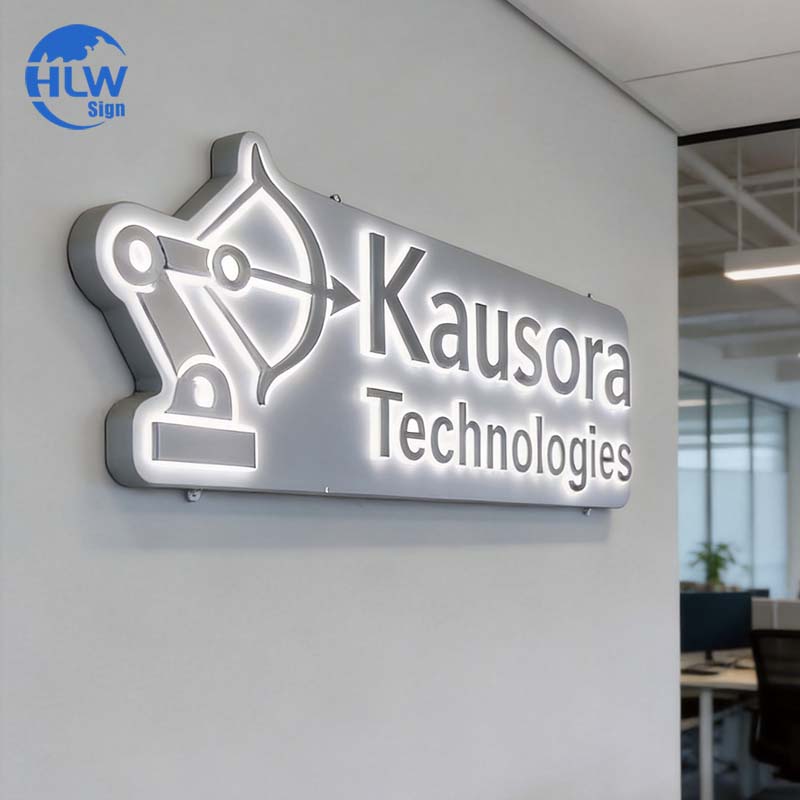
Office and Reception Signs: Interior Signage That Looks Intentional
The reception wall is the most photographed surface in an office. Here is how to specify a logo sign that looks deliberate rather than decorated.
Read the guide -
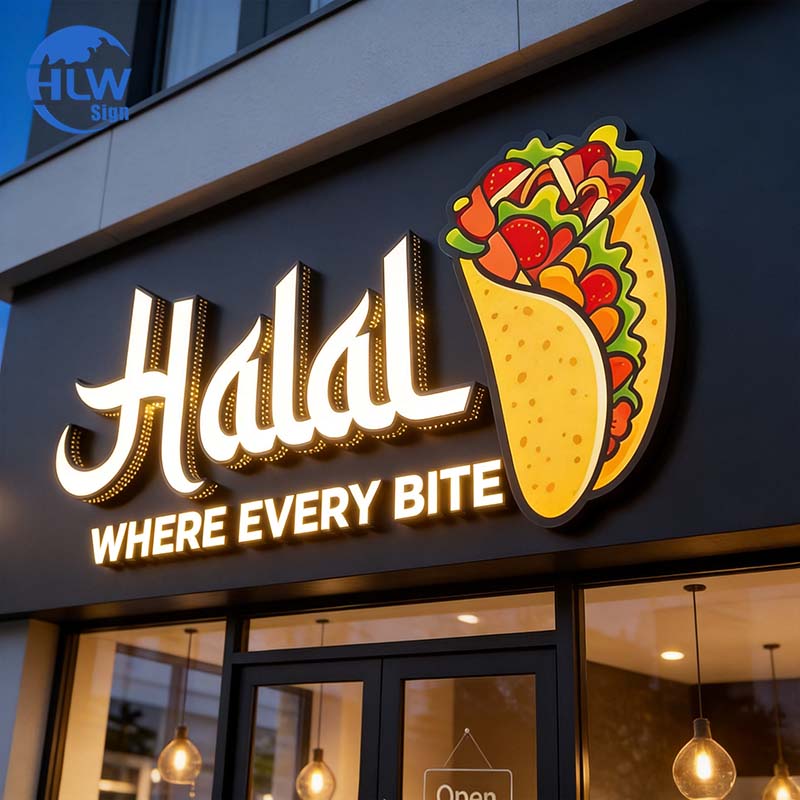
Which Sign Is Best for Your Type of Business? Retail, Food, Fitness and Clinics
Different businesses are read at different distances, at different times of day, by people moving at different speeds. That is what decides the sign.
Read the guide -
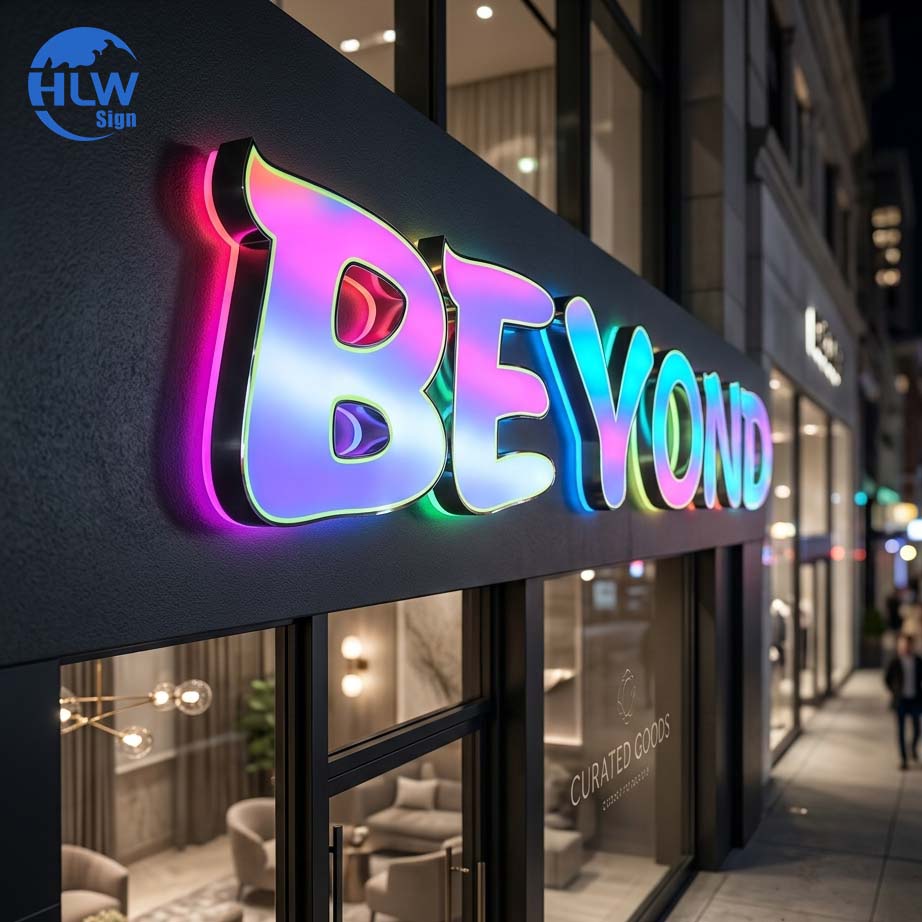
Restaurant, Cafe and Bar Signage: Lighting, Materials and Layout
A restaurant is judged twice: from the street at 7 pm, and from the table while people are eating. The signage has to work in both places.
Read the guide -
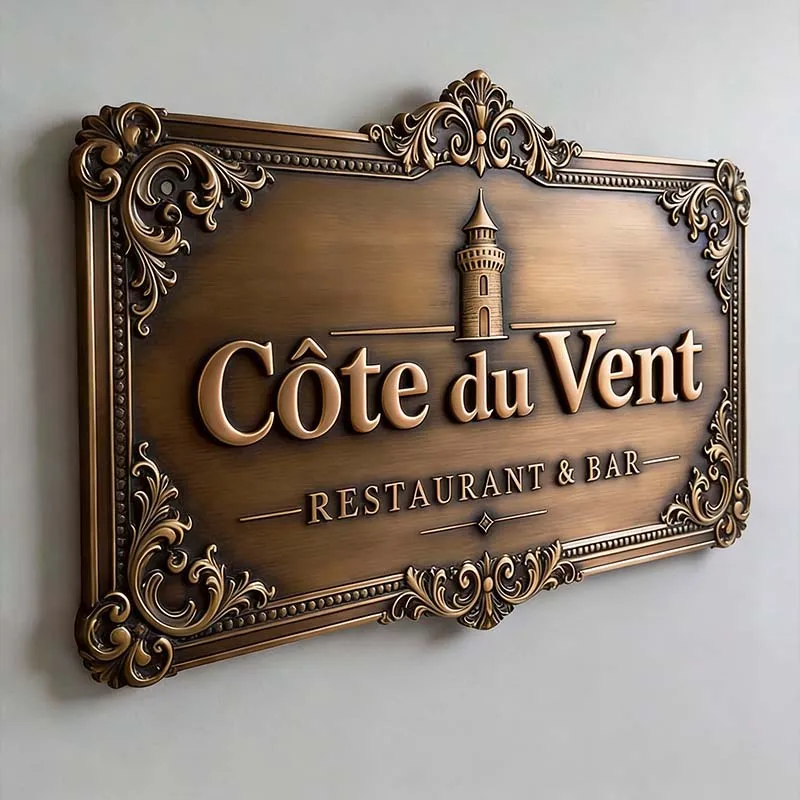
Church and Cross Signs: Illuminated and Non-Illuminated Options
Church signage has to be legible, respectful and — on older buildings — reversible. Here is how we build cross signs and church lettering that satisfy all three.
Read the guide
Maintenance & aftercare2 guides
-
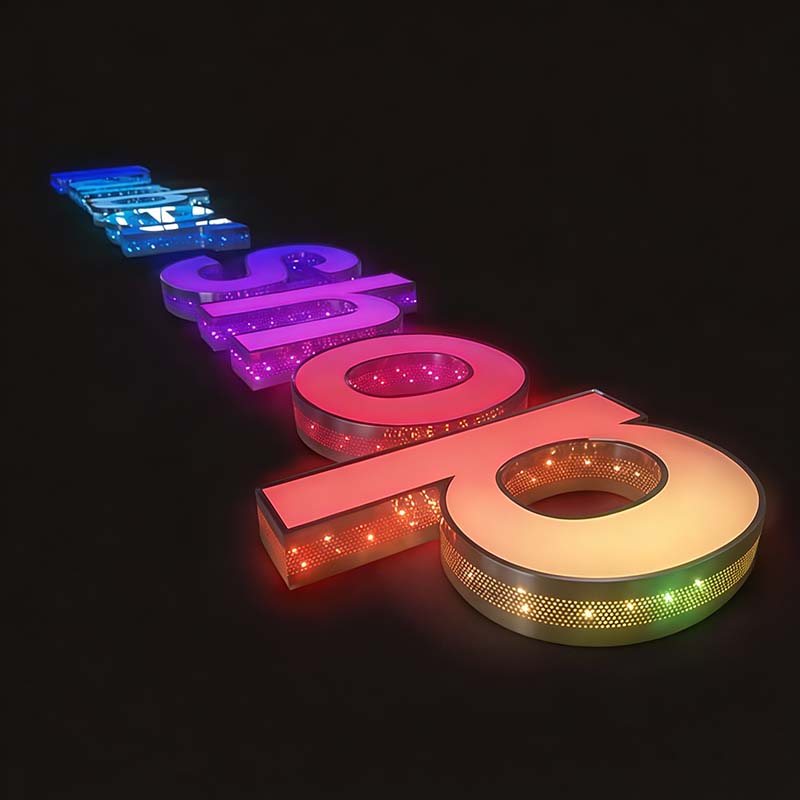
Why Are My Channel Letters Flickering or Half Lit? A Troubleshooting Guide
Flickering and half-lit letters have six usual causes. Working through them in order takes twenty minutes on site and saves a return shipment.
Read the guide -
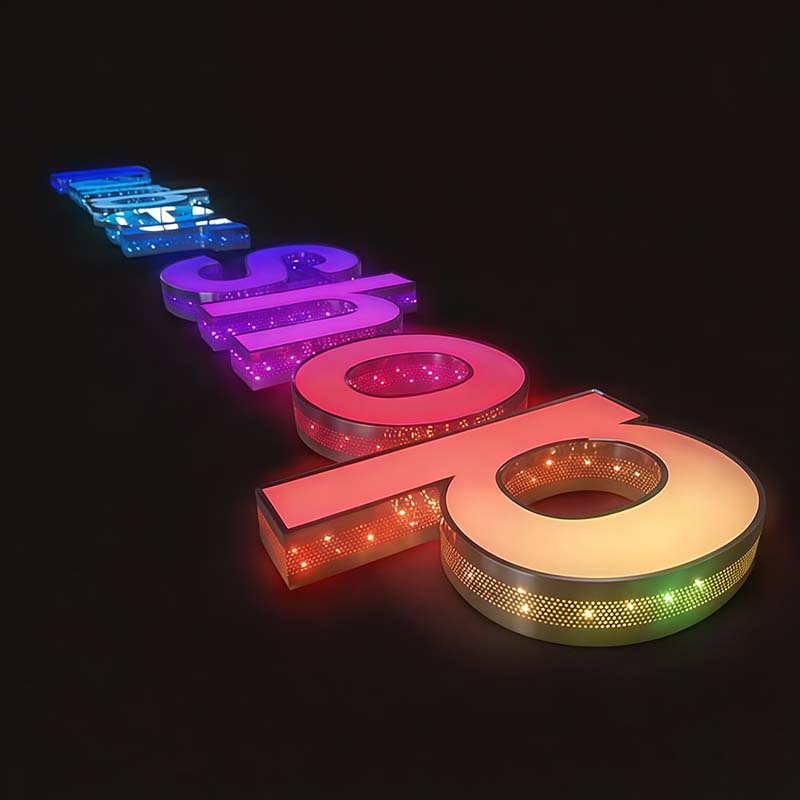
Signage Maintenance: How to Make an LED Sign Last
Illuminated signs rarely fail suddenly — they degrade. A ten-minute check twice a year is what separates a sign that lasts a decade from one that needs replacing in year three.
Read the guide
Looking for a specific type of sign?
The guides above explain how each construction works. If you already know what you need, these are the product pages — every one is built in our own factory in Lu'an, Anhui.
Ask a sign engineer
Not sure which construction suits your site? Send a photo of the building and the approximate size, and we will tell you what we would build — with a factory-direct price.
+86 152 5645 2807 Opens WhatsApp chat
Let's work together
Tell us your design, size and installation requirements and we will advise on construction, materials and lighting — then send a factory-direct quotation.